Russian Fuel Ships to US Coast as Peace Talks Resume
Three tankers carrying diesel are en route to North America while officials in Washington, Moscow, and Kyiv prepare for upcoming diplomatic meetings.
By Aiko Yamamoto ·
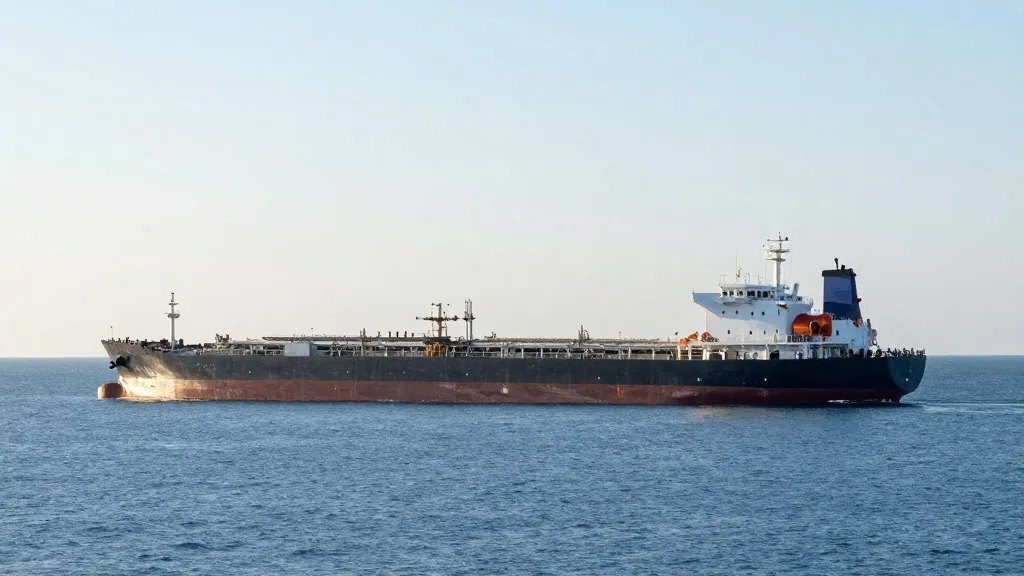
For consumers watching pump prices or tracking global energy flows, the arrival of three Russian diesel tankers marks a tangible shift in trade dynamics. These vessels are currently moving toward the eastern coast of the Atlantic Ocean, representing the initial phase of a large-scale supply agreement. The movement of this fuel is directly linked to a diplomatic framework designed to stabilize market prices while opening new channels for dialogue between key geopolitical players.
The first concrete step in this arrangement is the physical movement of fuel. Russian Deputy Prime Minister Alexander Novak confirmed on Friday that the initial three tankers are already on their way. He noted that these shipments are part of a broader commitment where Russian companies will supply 500,000 metric tonnes of fuel to US and global markets in October. Novak highlighted that the Russian Direct Investment Fund is providing significant support to facilitate these deliveries.
This shipment is not an isolated commercial decision but a component of a strategic agreement announced earlier this month by President Donald Trump. Under the terms of the deal, Russia agreed to increase diesel supplies to help lower fuel prices worldwide. In exchange for this increased availability, the United States agreed to temporarily lift sanctions on Russian fuel. This reciprocal action aims to ease immediate pressure on energy costs while maintaining a structured approach to the ongoing conflict.
According to reports from Reuters, one of the vessels involved is the Malta-flagged medium-sized tanker named Agioi Fanendes. This specific ship is loaded with ultra-low sulphur diesel. The vessel is scheduled to arrive in the United States on November 7, which will serve as a key indicator for how smoothly this new trade channel is functioning in practice.
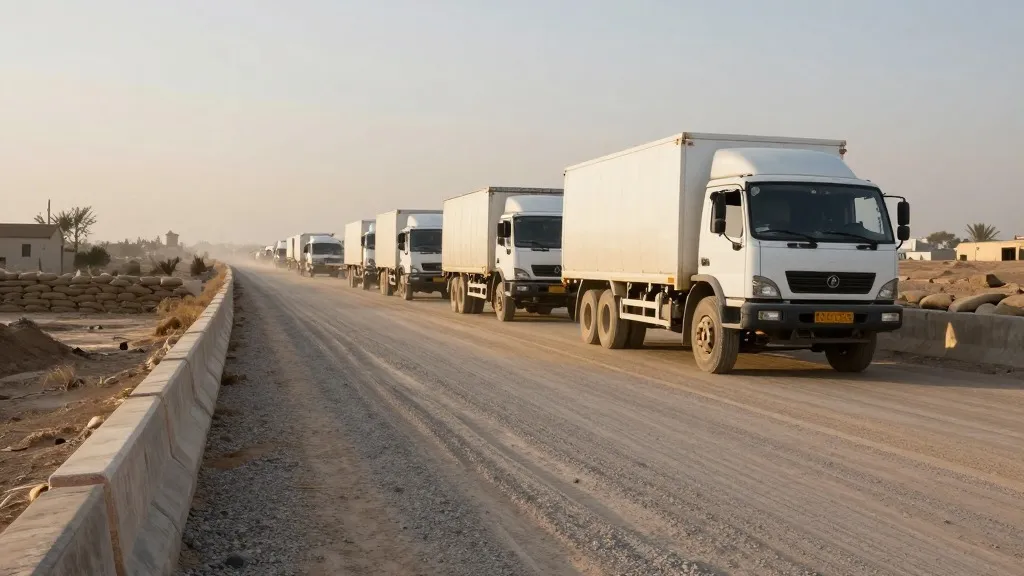
Parallel to the energy deal, significant progress has been made on the ground in Ukraine. The White House announced that Russia and Ukraine have agreed to a ceasefire in the city of Oleshky, a location under Russian occupation since February 2022. Both sides have committed to halting all military operations in the city starting October 27. This pause is intended to allow humanitarian aid to reach residents and to prepare for the evacuation of civilians who have been living in increasingly desperate conditions.
The situation in Oleshky has been described as a worsening humanitarian crisis, with severe shortages of food, water, and electricity affecting an estimated 2,000 remaining residents. Many have reportedly resorted to eating weeds and boiled grass to survive. The temporary cessation of hostilities provides a critical window for relief efforts to be delivered before conditions become further untenable for the civilian population.
High-level diplomatic efforts are also accelerating alongside these operational changes. Ukrainian President Volodymyr Zelenskyy stated on Friday that negotiators from Ukraine, Russia, and the United States have agreed to hold technical-level meetings in the first half of November. These talks are planned to take place in Abu Dhabi, with a US official suggesting that further meetings could occur within a couple of weeks, potentially in either Abu Dhabi or Switzerland. Zelenskyy expressed hope that a summit of national leaders will follow these technical discussions.
The renewed diplomatic momentum follows a period of tension between Washington and Kyiv. Recent weeks saw a rift exacerbated by US moves perceived as favoring Russia, including restrictions on the Starlink communication system used by Ukraine for defense. President Trump addressed this issue on Friday, stating that if Ukraine continues to face access problems, he would resolve the matter and, if necessary, raise it with SpaceX CEO Elon Musk. This direct approach signals a continued US focus on practical solutions to aid delivery and communication.
International support for Ukraine remains a topic of discussion among allied nations. EU leaders recently pressed the UK's new Prime Minister, Andy Burnham, to increase his country's contributions to Ukraine's defense during a summit in Brussels. The UK government is set to present its first budget under Burnham's leadership next week, a moment that will likely influence the scale of its financial commitment. EU officials have also indicated that Canada and Japan should step up their support for the Ukrainian effort.
In the realm of nuclear safety, the International Atomic Energy Agency reported that repairs to key power infrastructure near the Zaporizhzhia nuclear power plant are complete. This work was carried out under a temporary ceasefire brokered by the agency. The repairs strengthened the plant's connection to its sole remaining external power line, known as Ferosplavna-1. This improvement lowers the risk of another loss of off-site electricity at Europe's largest nuclear power station, providing a crucial margin of safety for the region.
Source: The Guardian