250: The speed threshold Ukraine's military has regained
Ukrainian leaders confirm that satellite internet speeds have returned to levels required for high-speed drone operations after a week of significant front line disruptions.
By Kateryna Melnyk ·
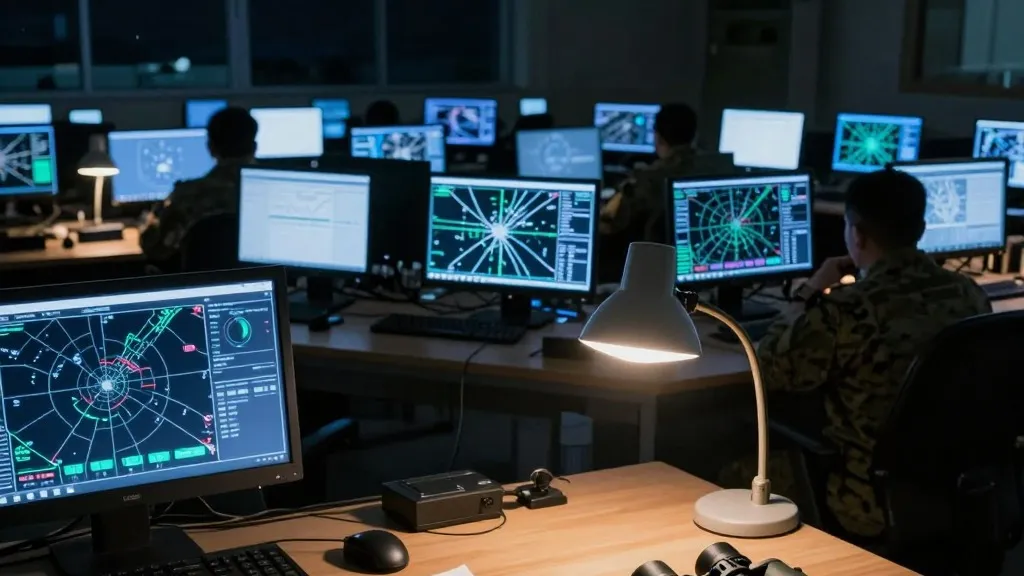
Defense Minister Yevhenii Khmara announced on Saturday that Ukraine has fully restored high speed satellite internet access for its military assets. The update confirms that drones and other fast moving equipment can once again operate without the speed restrictions that hampered operations for more than a week. This development marks the end of a period of significant technical friction between Kyiv and the providers of the satellite network.
Khmara stated that monitoring systems within the Defense Ministry now display stable connections for objects traveling in excess of 250 mph. President Volodymyr Zelenskyy corroborated these findings, noting that internal checks verified that both the standard Starlink service and Starshield, the military grade version offered by SpaceX, are functioning at the required parameters. Zelenskyy emphasized that the service levels are now sufficient for critical military use.
"Now the speed is what we need," Zelenskyy told reporters. "The restoration began last night, and in the morning there were already speeds sufficient to use this connection. This is very important." He highlighted that the return to full speed is crucial for front line logistics and for defending against reactive Shahed drones, which are Iranian made and frequently launched by Russian forces.
Last week's limitations on the Starshield system caused alarm among Ukrainian military and government officials. Commanders on the ground reported that the speed caps led to lost drones and disrupted missions. The technical constraints created a tangible operational gap that defense leaders worked to resolve through direct communication with service providers and allies.
The resolution arrives as U.S. envoys intensify efforts to negotiate an end to the conflict. Russia agreed on Wednesday to resume three way talks with Washington and Kyiv next month. Additionally, Kyiv and Moscow reached a localized ceasefire agreement around Oleshky, a Russian occupied town in the southern Kherson region. This specific truce was brokered by First Lady Melania Trump, signaling a renewed diplomatic track alongside military operations.
The satellite internet issue added to existing tensions between Kyiv and Washington. The relationship had already been strained by reports of a deal between President Donald Trump and Moscow regarding Russian diesel imports, a move Ukraine viewed as a significant betrayal. The recent disruption to the satellite network, built by Elon Musk's company and relied upon for years to counter Russian attacks, further complicated the diplomatic landscape.
Khmara credited direct dialogue and Zelenskyy's diplomatic efforts with Washington for the positive outcome. He stated that the restoration is most important for the front line, specifically for the work of drones, logistics, and communications. Zelenskyy expressed gratitude to American officials and all partners who took the situation seriously and provided assistance during the disruption.
Unanswered questions remain regarding who ordered the interruptions to the satellite system. President Trump has maintained that he did not make the decision to limit speeds, while also asserting that Elon Musk should not be blamed. The episode highlights the complex interplay of technology, diplomacy, and military necessity in the ongoing conflict.
Source: CBS News