Tesla Robotics: The Self-Teaching Factory
Tesla has begun producing high-volume Optimus robots in Fremont, using a massive internal fleet to generate the training data necessary for commercial deployment.
By Daniela Vargas ·
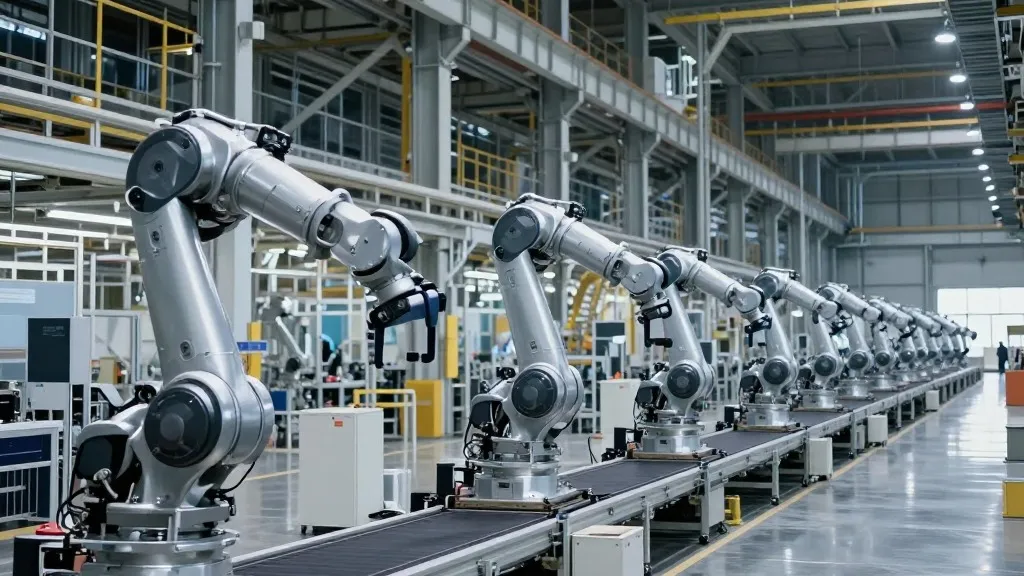
Tesla has officially started rolling out production-quality Optimus robots from a dedicated high-volume line inside its Fremont factory. The company confirmed in its third-quarter shareholder letter that these units meet the standards for a real commercial product. This marks a significant shift from prototype development to full-scale manufacturing of the humanoid robot.
Key developments include the repurposing of the space formerly used for Model S and Model X production. Tesla cleared that vehicle line in just 46 days to install equipment capable of handling one million units a year. During the earnings call on Wednesday, Elon Musk noted that most of this equipment is already in place. He projected that output will rise to roughly 20,000 robots per week as the line reaches full capacity.
The training methodology represents a major strategic pivot. Unlike the automotive division, which relies on data from millions of cars, the robotics team lacks a vast external fleet. Musk explained that Tesla is building an Optimus Academy to solve this. Between 10,000 and 20,000 robots will practice diverse tasks in a closed environment. Every unit produced at Fremont will contribute its performance data to improve the next version of the AI model.
Hardware upgrades and software refinements are also underway. Tesla plans to integrate its AI5 chip into the robots next year. Musk expects the team to finalize work on reliability, service life, and electromechanical design by the end of next year. This timeline aligns with the goal of delivering Optimus to outside companies for dangerous and repetitive labor. A new video demonstrating AI-driven tasks, rather than scripted motions, is expected within one or two months.
The supply chain and expansion plans support this rapid growth. Tesla certified Tuopu, Joyson, and Sanhua as mass production partners for key components in September. A much larger facility is also rising at Giga Texas, with drone footage showing the steel frame nearing completion. Musk has set a long-term target for that plant at 10 million robots per year.
Cost engineering remains a central focus for the program. Executives stated that Optimus production costs are trending toward the expected manufacturing cost of the Cybercab. This suggests the robot is being designed for volume efficiency from the outset. The hands remain the most challenging component of the design, a point Musk highlighted at the X Takeover event earlier this month. Much of the current engineering effort is concentrated on solving this specific mechanical challenge.
Source: Teslarati