SpaceX rejects military contracts while Spanish rocket maker nears final integration
The aerospace giant declined three Space Force offers, and PLD Space confirmed its Miura 5 vehicle is close to completing final assembly ahead of a 2027 debut.
By Mariana Delgado ·
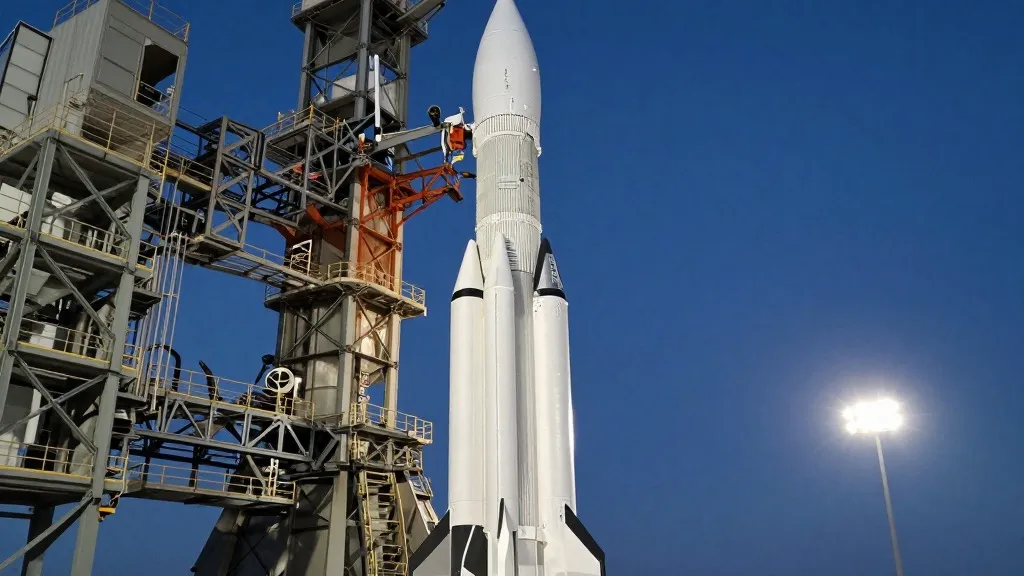
SpaceX has turned down three launch contracts from the United States Space Force, a decision that has surprised industry observers. The company made the move this week, signaling a shift in its approach to government work. This rejection comes at a time when the space sector is actively competing for military and commercial missions. The decision highlights the complex dynamics between private aerospace firms and federal agencies.
In a separate development on the civil space side, a NASA safety panel issued a warning regarding the Starship program. The panel indicated that the vehicle may require as many as 22 refueling stops to support a lunar landing. This finding adds to the technical challenges facing the program as it works toward its ultimate goal of sending humans to the moon. The high number of refuelings suggests a significant logistical hurdle that engineers must overcome.
While major players like SpaceX make headlines, smaller companies are also making steady progress. PLD Space, a company based in Spain, announced that its Miura 5 rocket is nearing final integration. The vehicle is scheduled for its inaugural launch next year, marking a significant milestone for the small-lift segment. This development is crucial for expanding the number of available launch options for smaller payloads.
PLD Space has already manufactured three Miura 5 rockets, according to CEO Raúl Torres. Two of these vehicles are designed to qualify key system elements, while the third is the actual launch vehicle. Torres stated in an October 19 program update that the company now targets a first flight before mid-2027. This timeline provides a clearer picture of when the rocket will be ready for operational service.
The manufacturing process for these three vehicles has allowed PLD Space teams to work continuously across different stages of production. Torres noted that lessons learned from each qualification campaign are being applied directly to the launch vehicle. This iterative approach helps ensure that the final product is as reliable and efficient as possible. The company is leveraging experience from previous tests to refine its current build.
A second stage for one of the Miura 5 rockets is now fully integrated. This step kicks off system-level testing under representative operating conditions. The stage is currently at PLD’s Teruel test facility, where it is undergoing its qualification campaign. This phase includes a wet dress rehearsal and a static hot-fire test, which are critical steps in verifying the rocket's performance.
Meanwhile, in Canada, startup Reaction Dynamics is looking to raise $350 million to expand its operations. The company plans to grow its staff from 68 to more than 350 people with the new funding. Reaction Dynamics is developing the small-lift Aurora rocket, which it hopes will reach orbit in 2028. This expansion is part of a broader strategy to establish a strong presence in the global launch market.
In addition to the Aurora, Reaction Dynamics has announced plans to build a medium-lift rocket named Borealis. The company aims to have Borealis make its debut by 2031. This dual-rocket strategy positions the startup to capture a wider range of market opportunities. The fundraising effort is a key component of this long-term vision for the company.
Source: Ars Technica