Federal Standards: Cyan Lights for Driverless Cars
The NHTSA proposes mandatory blue-green marker lamps to help other road users identify active automated driving systems.
By Mei Ling ·
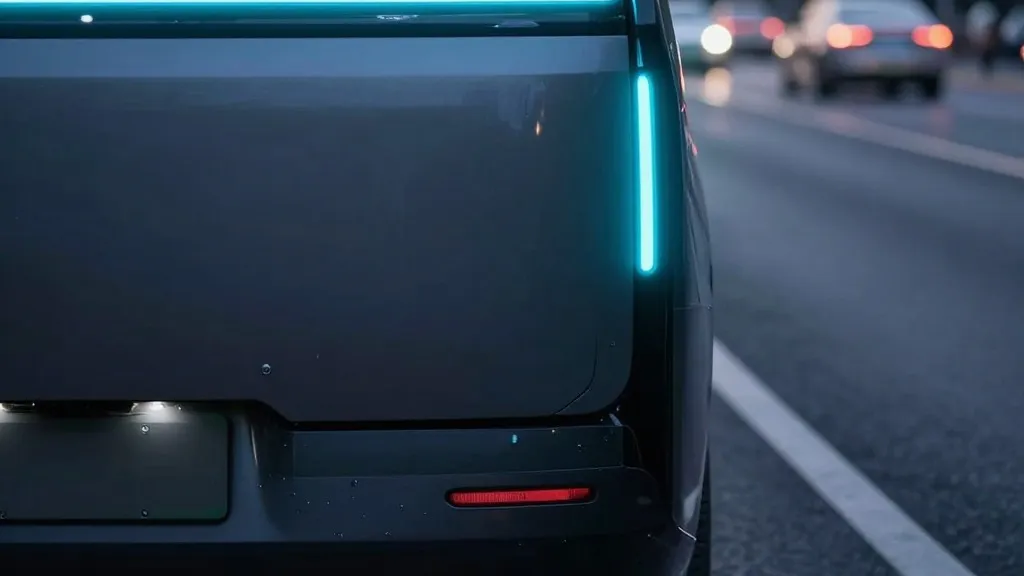
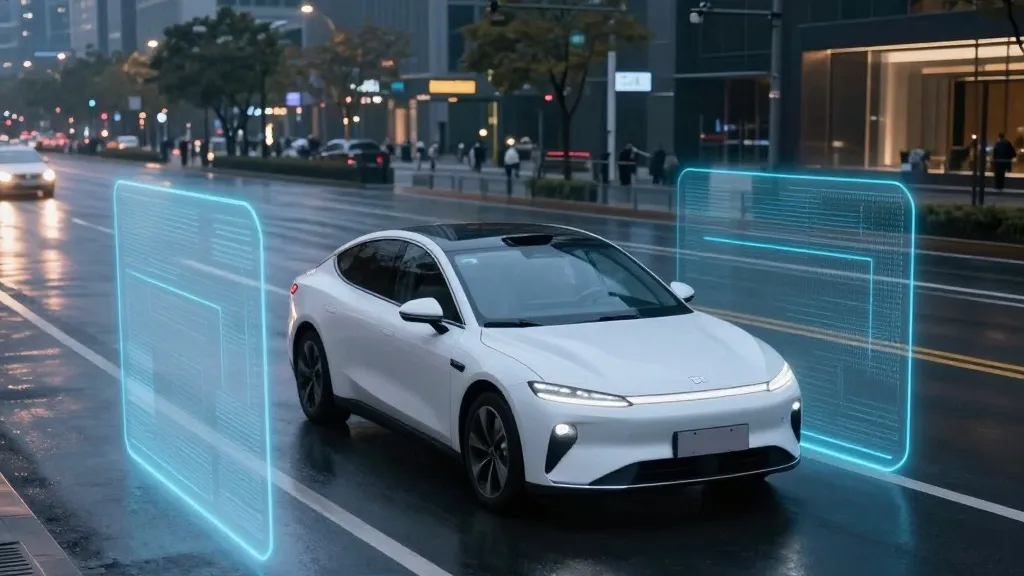
The National Highway Traffic Safety Administration has proposed a distinct visual cue for autonomous vehicles: a cyan-colored light that indicates no human is at the wheel. This specific hue, described as blue-green, is intended to serve as a clear and consistent signal to law enforcement and other drivers when an automated driving system is in control.
Regulators are rewriting Federal Motor Vehicle Safety Standard No. 108 to address the unique needs of driverless cars. The proposal seeks to standardize how robotaxis communicate with the surrounding environment. By establishing a uniform national standard, the agency aims to create a consistent visual language that manufacturers like GM and Mercedes, as well as operators such as Waymo, Nuro, and Zoox, can adopt uniformly.
The choice of cyan is strategic. The automotive industry currently reserves red, amber, white, and flashing blue or red lights for specific functions like braking, turn signals, headlights, and emergency vehicles. Introducing a new color fills a visual gap without risking confusion for road users who are accustomed to existing color codes.
While the agency is pushing for this standard, the cyan marker lights would remain optional for manufacturers. However, the proposal establishes official federal standards for the color, brightness, and location of these lamps. This ensures that if an automaker chooses to include them, the setup is consistent and legally compliant rather than a confusing mix of varying signals.
The rulemaking process also involves removing outdated requirements that do not apply to vehicles without human drivers. Current rules mandate physical hazard switches, manual beam shifters, and turn levers inside the cabin. The proposal seeks to eliminate these demands, allowing for more streamlined interior designs that reflect the reality of autonomous operation.
Additionally, the agency is updating the 12.8-volt testing standard to accommodate modern LED architectures. This change is designed to reduce administrative hurdles for automakers building with current lighting technology. NHTSA is also considering removing requirements that dictate whether high-beam lights must sit above or below low-beam lights, offering further design flexibility.
This update fits into a broader Department of Transportation effort to streamline the deployment of autonomous vehicles. The government is working to make it easier for automakers to build cars without traditional controls like steering wheels and pedals. The goal is to align federal regulations with the technological reality of driverless transportation.
Despite this push for modernization, regulators continue to enforce existing rules strictly where applicable. Last month, NHTSA opened an audit query into the Tesla Cybercab. The agency is examining the technical data and processes Tesla relied on when certifying the vehicle. The focus is on the absence of design features such as sideview mirrors, pedals, and steering wheels, which are currently required under FMVSS.
The proposal marks a significant shift in how federal agencies approach vehicle safety standards. By focusing on clear communication between autonomous cars and the public, the NHTSA aims to address one of the primary concerns regarding the integration of robotaxis into general traffic. The cyan light serves as a simple, visible indicator that a machine is driving.
Source: The Verge