Myanmar Leader Held in Isolation After Rare Family Contact
A 49-year-old carpenter in London spoke by phone with his mother, the former Nobel laureate, marking their first direct conversation since the 2021 military coup.
By Ahmed Mansour ·
Kim Aris, a 49-year-old carpenter residing in London, connected with his mother, Aung San Suu Kyi, via a 20-minute phone call on Thursday. This interaction marks the first direct conversation between the two since the military seized power in 2021 and ousted the democratically elected government she led. The communication occurred nearly six years after the coup, providing the family with a significant update on the former leader's status.
Aris, who spoke to reporters about the event, noted that his mother’s first question concerned his health. He relayed the family's affection and inquired about her well-being. "My mother is actually alive and well," Aris stated. "Hearing her voice has reassured me." The 81-year-old former Nobel Peace Prize winner has faced a series of legal proceedings since her initial sentencing in 2021. Consecutive trials through 2022 resulted in a total sentence of 33 years on charges of corruption and electoral fraud, which Western nations and human rights organizations have frequently described as fabricated. A subsequent reduction left her with 18 years remaining on her term.
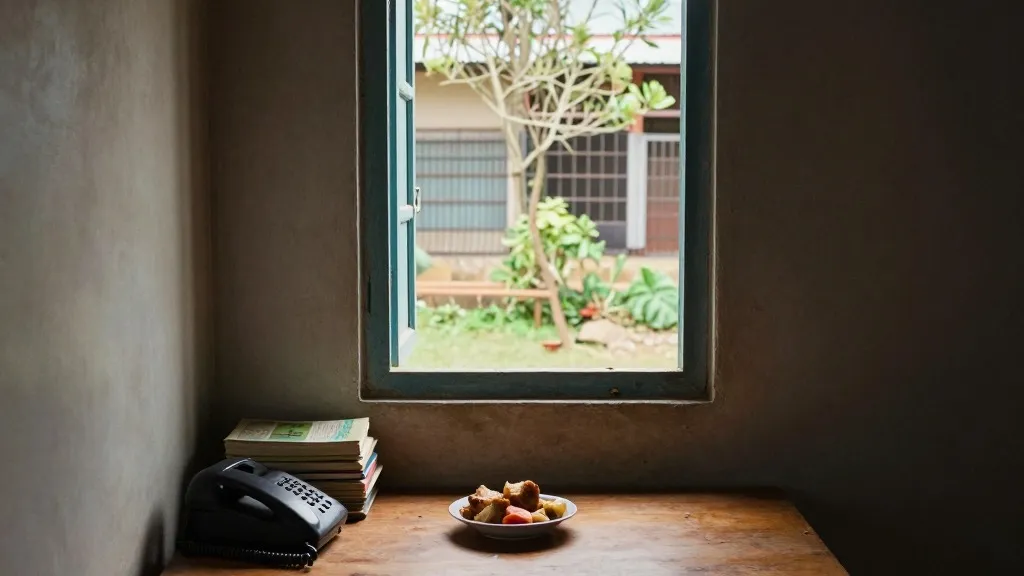
Khaing Khaing Soe, a spokesperson for the Myanmar military-backed president, confirmed on social media that the call was arranged through the Myanmar Embassy in London. The official shared separate photographs of the mother and son. Aris learned during the conversation that Suu Kyi is currently held at a residence near the capital, Naypyidaw. He described the location as a fenced-off building with a nondescript garden, surrounded by police and military personnel. "From what I can ascertain, she's basically being held in solitary confinement even if she's not in a prison cell," Aris explained. He believes she can read books but lacks access to news via radio, television, or newspapers.
Health concerns have long weighed on the family, but Aris reported that his mother "sounded strong" during the call. She suffers from considerable tendonitis in her hand, a condition that sometimes renders the limb unusable. She informed him that she receives a health checkup every six months. Aris is currently arranging a care package, which she requested to be a mix of healthy food and treats. He is considering including Ben's Cookies, a brand founded in Oxford, England, where Suu Kyi raised her two sons with her late husband, Michael Aris, before relocating to Burma in 1988.
Aris believes the military monitored the conversation, leading to the exclusion of sensitive topics such as the ongoing civil war. He recalled the regime's past practices of photographing parcels sent to her during her house arrest in Yangon from 1989 to 2010. He views the call as a strategic move by the military to enhance its international image. This diplomatic effort coincides with the travels of coup leader Min Aung Hlaing, who was installed as president following a military-engineered election in January. "I hope that governments around the world won't be taken in," Aris said.
The political landscape remains tense. The coup triggered a civil war that has claimed approximately 100,000 lives, according to the monitoring group ACLED. The United Nations reports that millions have been displaced. ACLED indicates that the military has intensified attacks on civilians since Hlaing took office, despite increased regional diplomatic engagement. Hlaing remains under U.S. sanctions for human rights abuses, including the 2016-2017 killings and expulsions of Rohingya Muslims, an event Washington has designated as a genocide. Suu Kyi's international reputation was affected in 2019 when she defended Myanmar at the International Court of Justice, though she remains popular domestically.
Officials from the exiled National Unity Government, such as spokesperson Nay Phone Latt, suggest the regime fears releasing her because her strength could bolster the revolution. Richard Horsey of the International Crisis Group described her status as a potentially valuable asset for Hlaing. He warned that she could serve as a bargaining chip while airstrikes continue, noting that her release is unlikely to end the war alone. The U.S. State Department expressed concern over unjust detentions and urged genuine dialogue with opposition groups. In August, the bureau called for her immediate and unconditional release. Aris said the call may be a one-time event, noting that his mother believes her endurance provides strength to the people of Burma.
The financial and diplomatic implications of this rare contact highlight the strategic value of the former leader's presence. While the call offers personal relief to the family, it underscores the military's effort to manage its global perception. The situation remains fluid, with the former leader continuing her reduced sentence while the conflict abroad escalates. Aris's role as a primary point of contact underscores the personal stakes involved in Myanmar's political transition.
The outcome of these diplomatic maneuvers will likely shape future international engagements with Myanmar. As Hlaing seeks legitimacy abroad, the treatment of high-profile detainees remains a focal point for critics. The family's cautious optimism is tempered by the reality of ongoing conflict and isolation. The next steps in this process will depend on the military's continued strategy and the response of the international community.
Source: NPR